
Search
Forming Saints & Scholars: Equipped for Today, Fitted for Heaven
-
 October 18, 2025
Forming Saints & Scholars: Equipped for Today, Fitted for Heaven
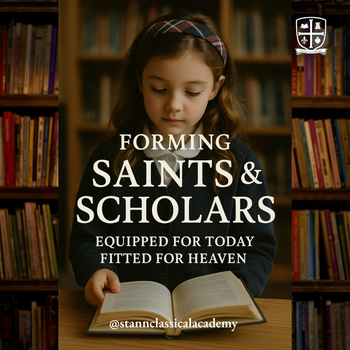
At St. Ann Classical Academy, our mission is guided by a simple but profound vision: to form saints and scholars. We firmly believe that education is far more than preparation for college or a career; it is preparation for life, both in this world and in the world to come. Consequently, the phrase, “Equipped for today, fitted for Heaven,” expresses this timeless vision. It reminds us daily that the work of the classroom is sacred, that every lesson and every encounter has eternal significance. In all that we do, from the joyful hum of morning arrival to the quiet reflection of prayer before dismissal, we seek to shape hearts and minds for Christ.A Vision Rooted in the Good, the True, and the Beautiful
In a culture often swept up in what is fleeting, St. Ann Classical Academy offers students something enduring. Here, education is rooted in the transcendentals of goodness, truth, and beauty, guiding students to recognize and love that which reflects God’s own nature. The Catholic Classical liberal arts education we provide invites children to wonder, to seek truth through reason and faith, and to delight in discovering meaning in the created world.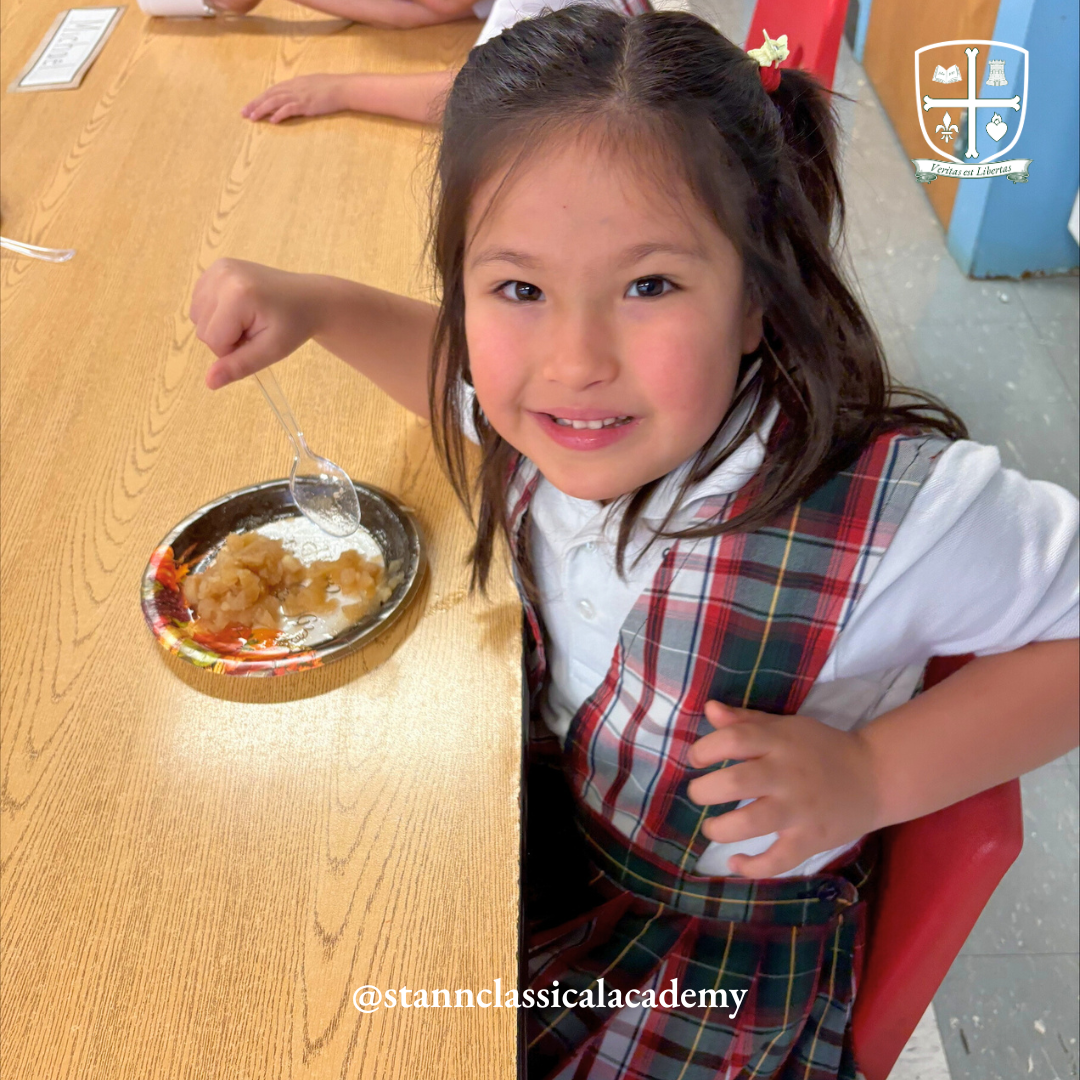 This vision is tangible in every classroom. In Kindergarten, for instance, our youngest learners begin their study of nature by exploring apples, a simple yet profound introduction to the order and beauty of creation. They observe the parts of an apple, taste its sweetness, chart their favorite varieties, and even make homemade applesauce together. What might appear as a lighthearted Nature Studies activity is, in truth, an early lesson in gratitude and wonder, helping them see God’s hand in something as ordinary as a seed.
Meanwhile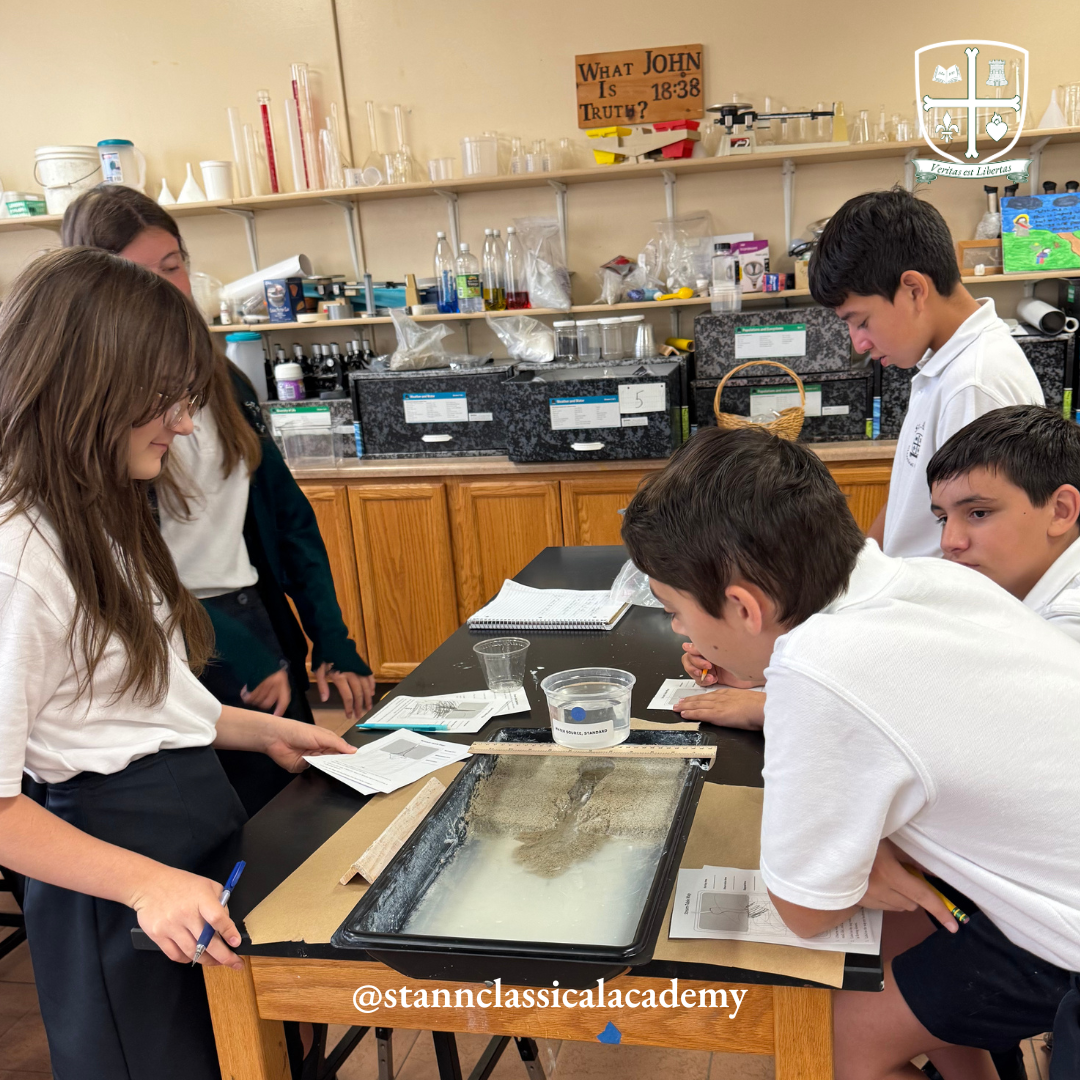 , in the Upper School science lab, students simulate the formation of the Grand Canyon, marveling at the power of water and time. Through integrated studies in English and History, they investigate Roman aqueducts to understand the marriage of logic, design, and necessity that shaped ancient civilization. These lessons blend scientific inquiry with historical imagination and theological reflection, encouraging students to see learning as a way of uncovering divine wisdom.
In art class, students study sacred and historical art, learning that beauty is not subjective whim but a reflection of truth. When they sketch one of the stained-glass windows from St. Ann Church, they are not merely drawing, rather they are meditating on light and color as symbols of the soul’s ascent to God. Each subject, whether mathematics, music, Latin, or literature, becomes a window into the mystery of creation and the goodness of its Creator.Forming the Whole Person
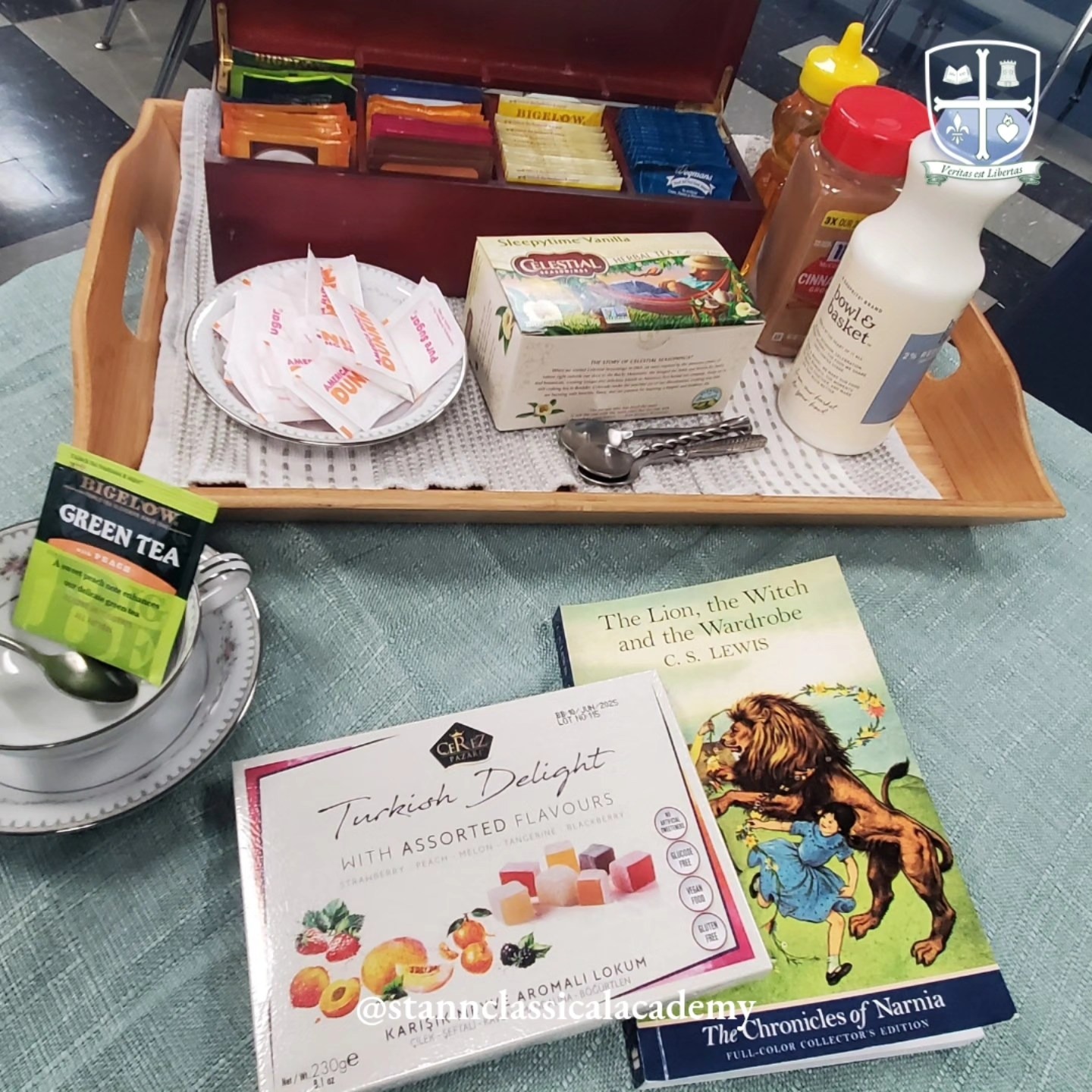 A St. Ann education engages the whole person. Intellectually, students enter what the classical tradition calls “the Great Conversation,” joining the timeless dialogue of thinkers, poets, and saints who have sought to understand the world and man’s place within it. In fifth grade, as they read The Lion, the Witch and the Wardrobe, they are drawn into the moral imagination of C.S. Lewis, encountering themes of courage, sacrifice, and redemption that illuminate their own lives. Through Socratic dialogue and discussion, students learn to listen attentively, speak thoughtfully, and reason clearly—skills that form not only scholars, but citizens of virtue.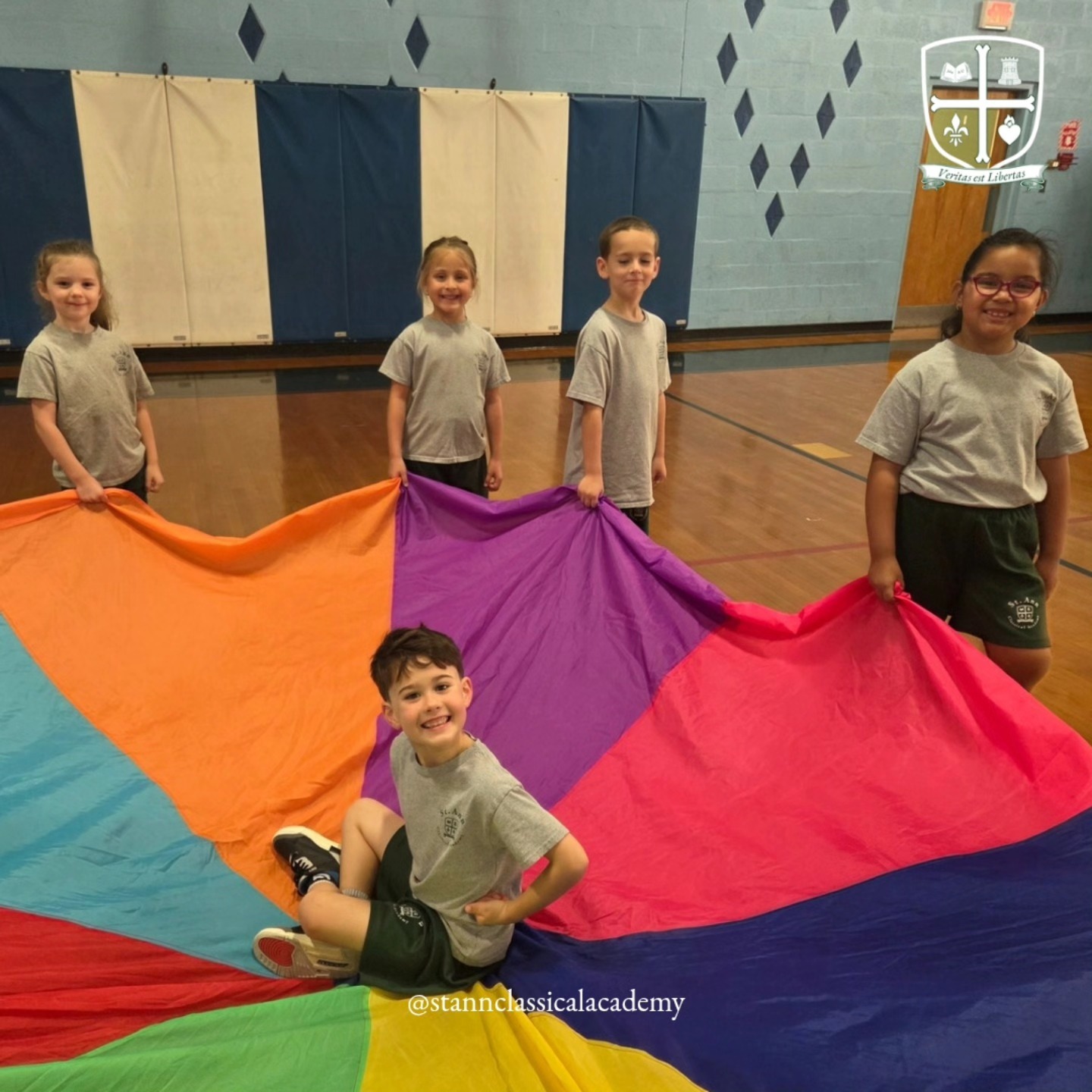
Physical formation is equally integral to our mission. In our Catholic Classical Physical Education program, students learn that discipline, perseverance, and respect are not confined to the classroom but are virtues of the body as well as the soul. Whether they are playing cooperative games, developing gross motor skills, participating in calisthenics, learning a new sport, or competing joyfully in our beloved Saints and Angels competitions during Catholic Schools Week, students experience how movement and virtue go hand in hand. Physical education at St. Ann’s is not about competition alone. Instead, it is about cultivating self-mastery, teamwork, and gratitude for the gift of health.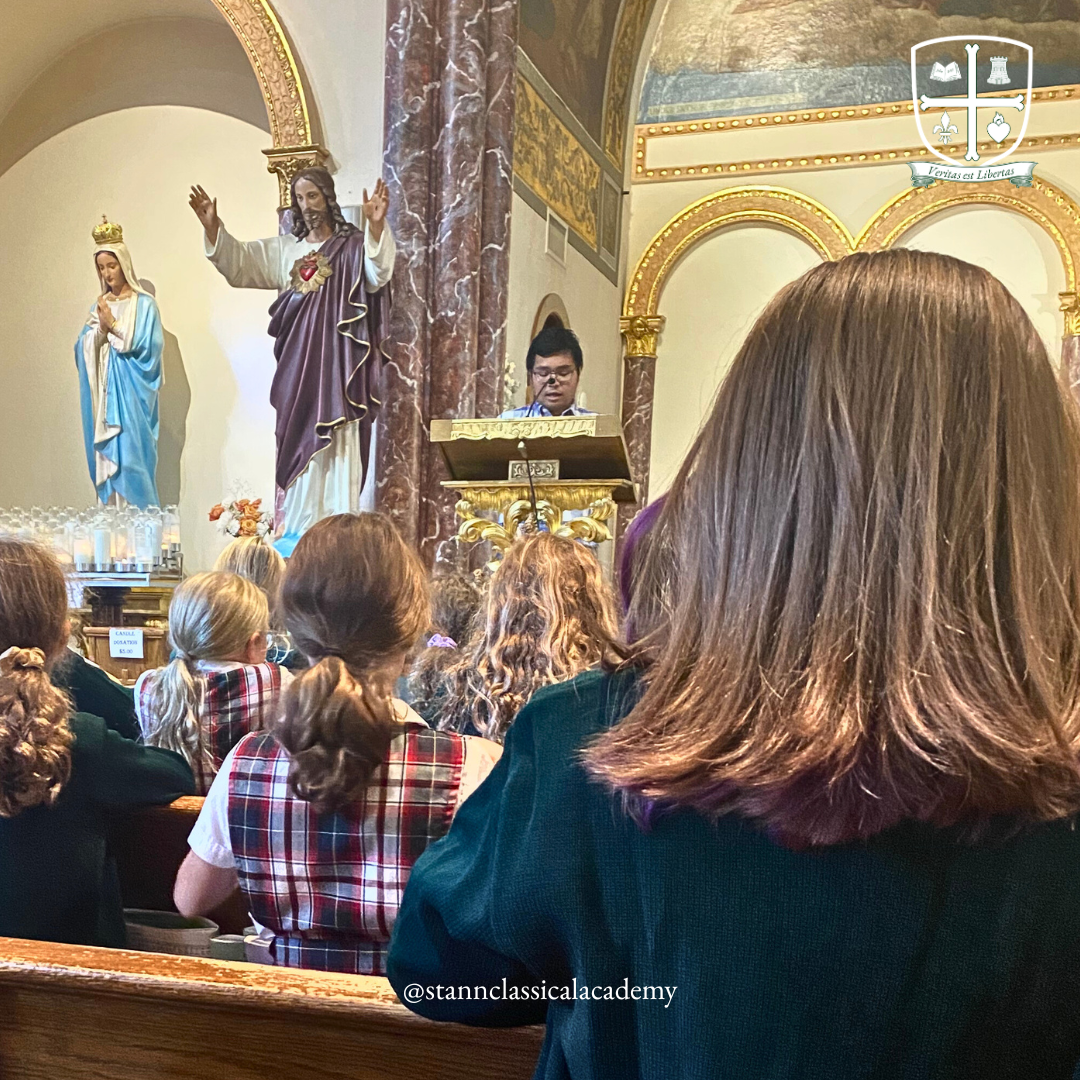 The school year at St. Ann Classical Academy runs in a liturgical rhythm. Prayer punctuates everyday in a predictable pattern, reminding students that Christ is ever present as they grow in knowledge, skill, and fellowship ad majorem Dei gloriam, that is to say, for the greater glory of God (St. Ignatius of Loyola). Students begin each morning with prayer and unite in the celebration of the Holy Mass every Monday and Friday, beginning and ending their week with the Lord. Feast days are celebrated with joy and reverence, connecting our students to the great communion of saints. Throughout the week, they read Scripture, reflect on the virtues, and learn to see holiness not as an abstract ideal, but as a daily calling. The saints are introduced as living friends whose examples inspire our children to pursue lives of joy and service. Further, the charism of joy embraced by the academy flows directly from our patrons: St. Ann, St. Philip Neri, and St. Lucy Filippini.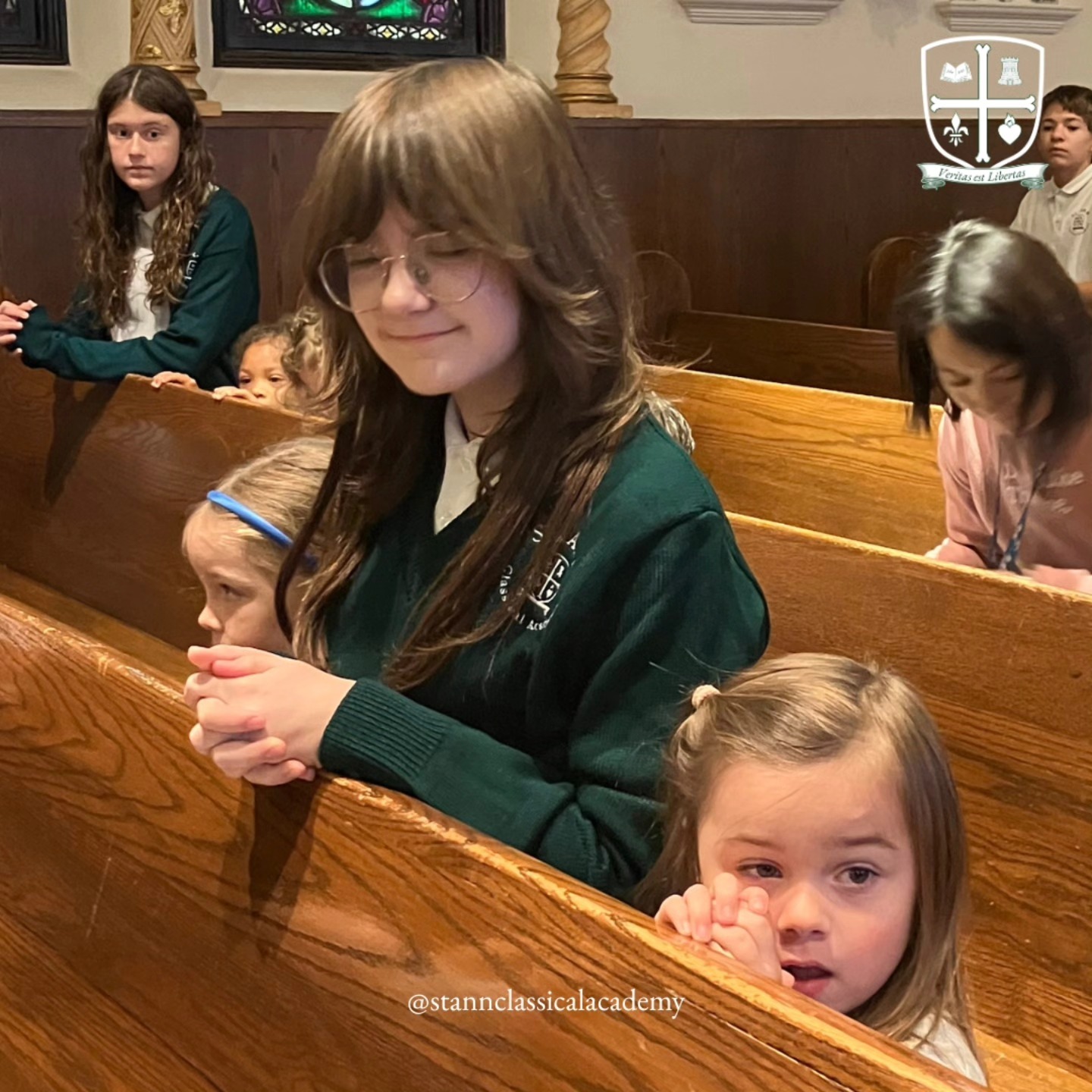
Equally important is the social formation that occurs in our close-knit community. Every child at St. Ann Classical Academy is known and loved. Students are encouraged to look out for one another, to practice kindness, and to build friendships rooted in charity. Older students serve as role models and mentors to younger ones, whether by assisting at Mass, leading school activities, or participating in our buddy program. In every interaction, they learn that true leadership is born of service.Equipped for Today
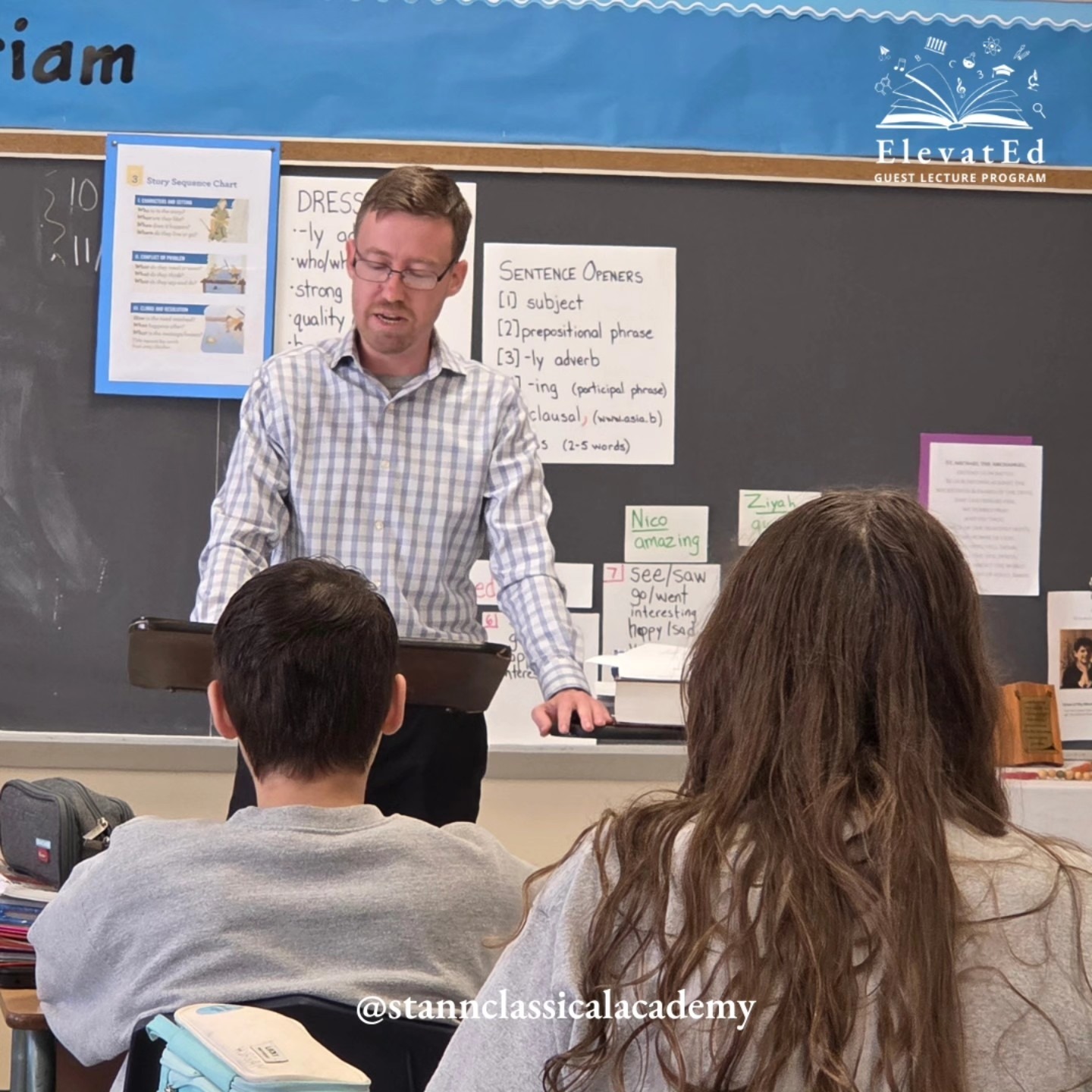 Though our education is rooted in timeless truths, it prepares students to meet the challenges of today with clarity, confidence, and grace. Our classical approach forms the habits of mind necessary for lifelong learning. In the study of grammar, students learn the building blocks of language, enabling them to express complex ideas with precision. Applying logic, they practice discerning truth from falsehood in an age of information overload. Through the art of rhetoric, they learn to speak and write persuasively, not for self-promotion, but in defense of truth and goodness.In mathematics and science, students encounter the order and harmony of God’s creation. In our distinctive Quadrivium Arts program (an interdisciplinary study of arithmetic, geometry, music, and astronomy), our students discover how number, proportion, and harmony reveal divine design. These studies connect ancient wisdom with modern insight, showing students that faith and reason are not adversaries but companions on the path to understanding.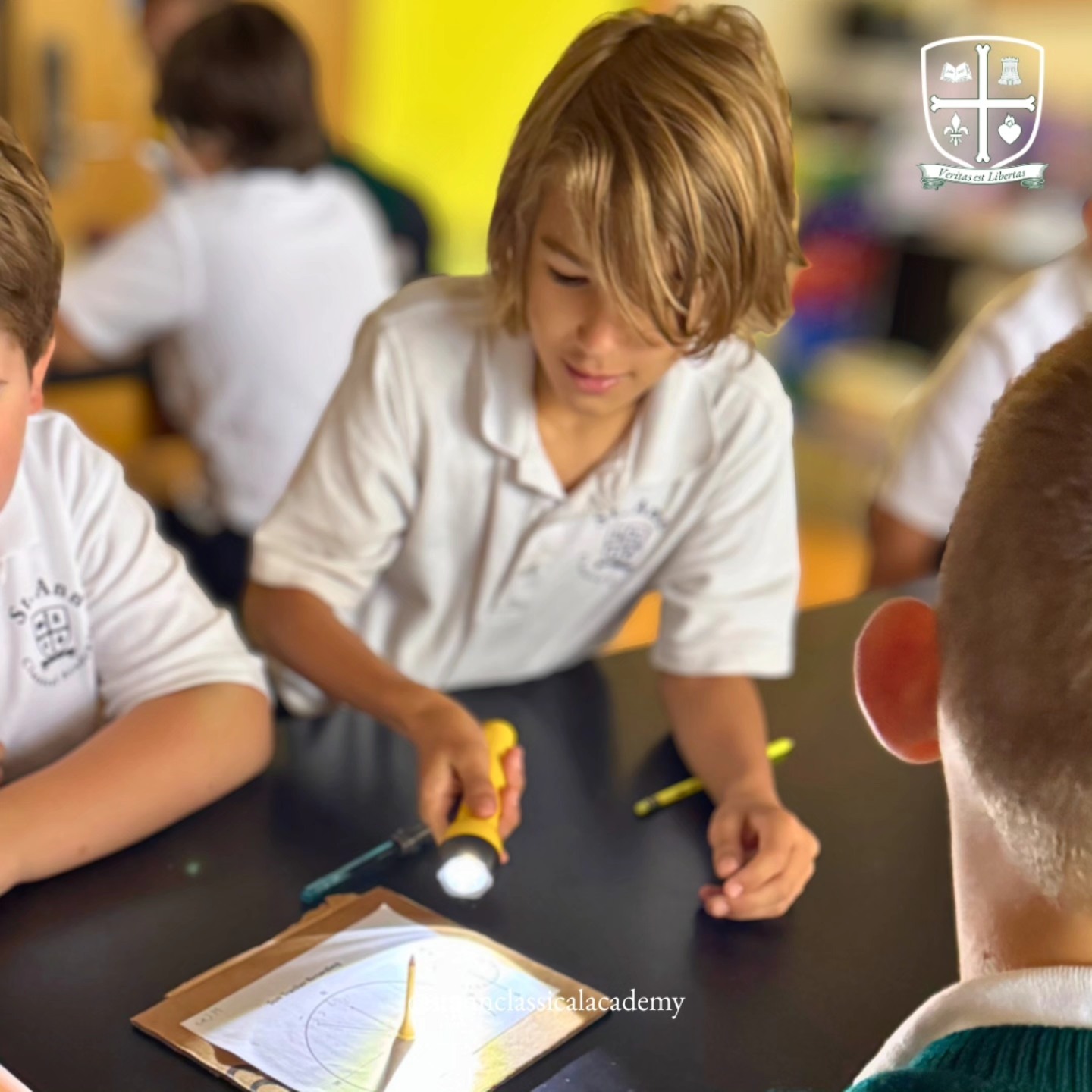
Technology, while present, never dominates the classroom. We intentionally maintain a low-tech environment that prioritizes human connection and attentiveness. Handwriting, conversation, and direct teacher-student engagement take precedence over screens. In a culture saturated with distraction, this approach cultivates focus, patience, and genuine curiosity—qualities essential for intellectual and spiritual maturity. Our students learn not only how to use technology but when and why, ensuring they remain masters of their tools rather than servants to them.
The result is a graduate who is not only academically prepared but morally grounded and one who can navigate the complexities of the modern world without losing sight of truth or the dignity of the human person.Fitted for Heaven
 Ultimately, everything we do at St. Ann Classical Academy points toward our highest goal: the salvation of souls. We are not content to form merely good students; we strive to form saints. Each lesson, each prayer, and each act of kindness is ordered toward the eternal destiny for which every human heart was made.
Our students come to recognize God’s presence in every discipline. They see His providence in history, His reason in mathematics, His beauty in art, and His love in Scripture. When they study the saints, they are not learning about distant historical figures but about brothers and sisters in faith who have walked the same path they now travel. Saint Carlo Acutis, for instance, becomes a model of joyful discipleship in a digital age and proof that holiness is not confined to the past but is the true vocation of the present.
Through daily prayer, frequent reception of the Sacraments, and opportunities for service, our students grow in virtue and faith. By the time they graduate, they understand that their education is not a possession but a gift to be used in service of others. They leave St. Ann’s not only ready for the next step in their academic journey, but also prepared to live lives of purpose, holiness, and love.A Joyful Community of Faith and Learning
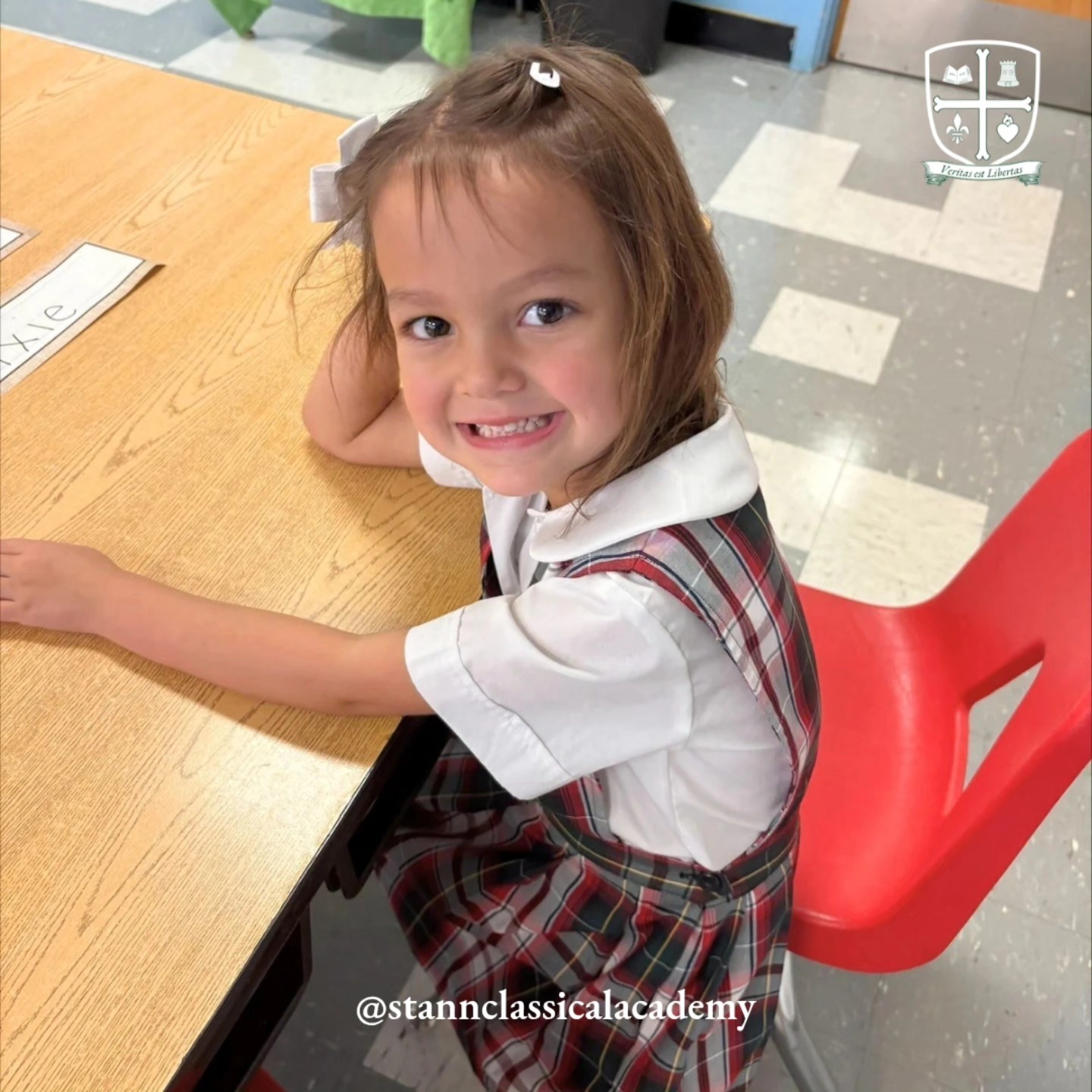 This mission flourishes because it is shared. Parents, teachers, parishioners, and students all contribute to the vibrant life of our school. St. Ann Classical Academy is not just a school; it is a family of faith, joyfully united in the pursuit of truth and virtue. Together, we celebrate feast days, host community events, and support one another through prayer and fellowship.
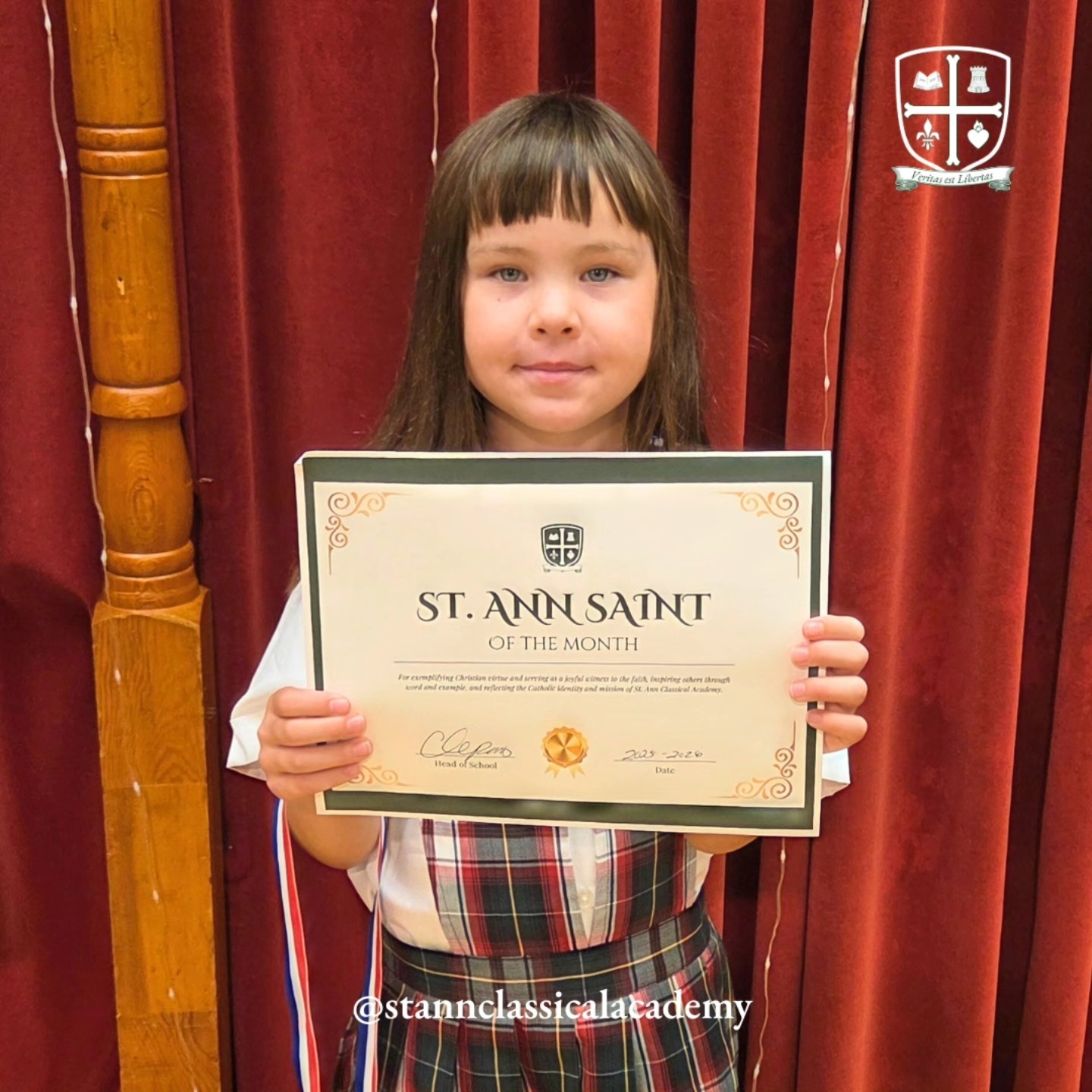
Our annual Italian Festa, Tricky Tray, and family gatherings embody the spirit of joy and unity that animates our community. The Saint and Scholar of the Month program recognizes students who exemplify our mission through virtue and academic excellence, reinforcing that success is measured not only by grades but by growth in holiness. From schoo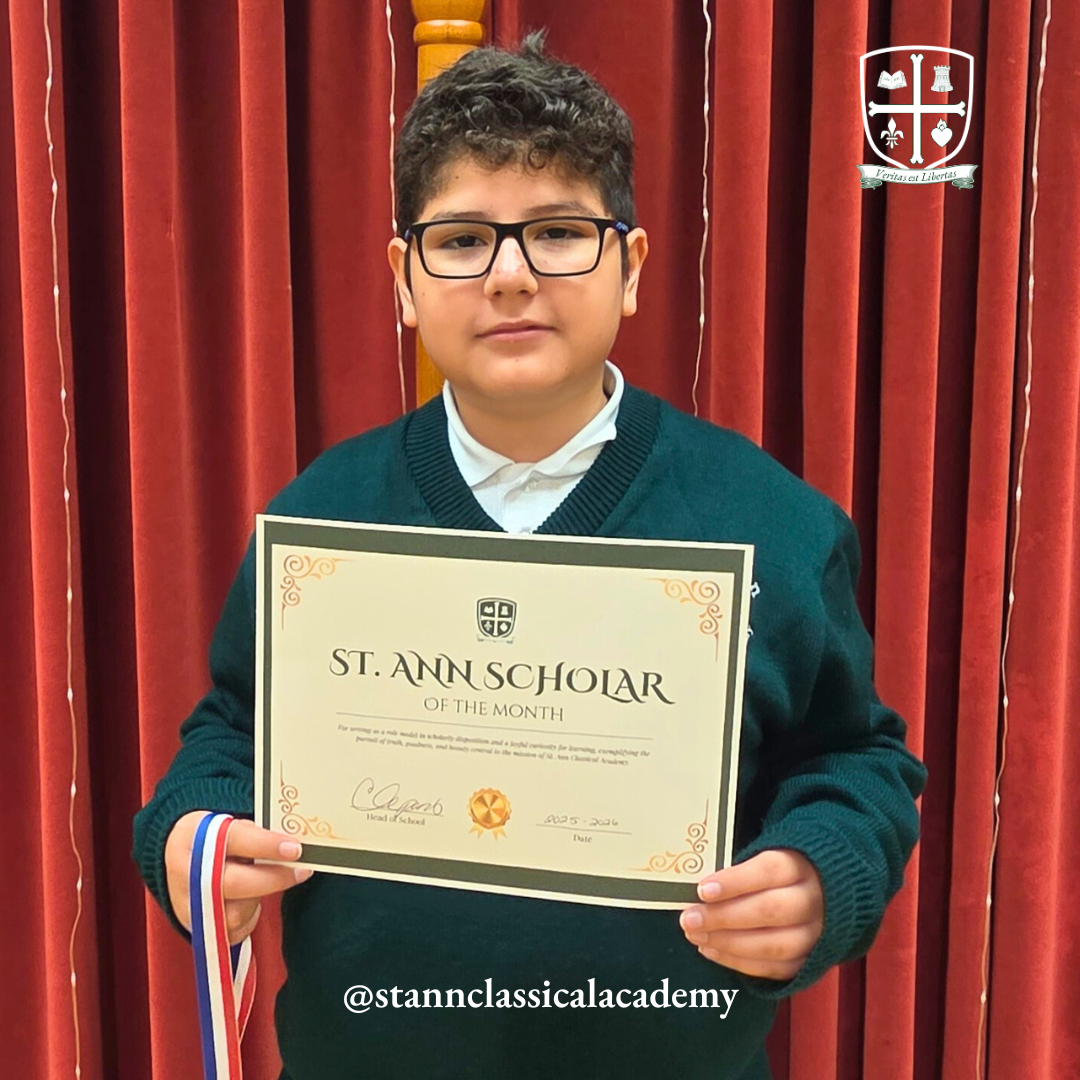 l events to weekday masses, the life of our academy overflows with gratitude and shared purpose.
At St. Ann Classical Academy, every child is encouraged to see their education as a calling and to use their God-given gifts in service of truth, beauty, and love. They are formed not just to succeed, but to sanctify the world.Join Us
If you are seeking an education that nourishes both the soul and the intellect—one that cultivates joy, wonder, and holiness—we invite you to discover St. Ann Classical Academy. Here, students do not merely prepare for tests; they prepare for life. They learn to think clearly, act virtuously, and live joyfully. They are, in every sense, equipped for today and truly fitted for Heaven.